When people think about what makes a video game memorable, they usually focus on parts like graphics, gameplay mechanics, sound design, or storytelling. They rarely talk about fonts. In fact, most players don’t consciously pay attention to the typography used in a game at all. Unknown to them, fonts play a powerful role in influencing how they perceive and experience a game. Game developers know this, which is why they never choose typography by accident.
In this article, we’ll explore five important roles fonts play in video game design. Let’s dive right in!
Fonts Act as Part of Visual Storytelling
In video games, every design element contributes to the story being told. The environments, characters, music, colors, and visual effects all work together to create a specific experience for the player. Fonts are part of that process, too.
Developers use fonts to reinforce the setting, mood, and themes that they want players to experience. For example, if you are playing a medieval fantasy game and the title and menus use an elegant font inspired by ancient manuscripts, players will immediately associate the game with kingdoms, magic, and history. Now imagine the same game using a sleek, futuristic font. Even before playing, something would feel off because the typography wouldn’t match the world being presented.
This is why developers are always careful to select fonts that align with their game’s setting and atmosphere. They understand that the fonts they use are a storytelling tool in themselves.
Fonts Create First Impressions
There’s an impression you get when you see a game’s logo, cover, title screen, or menu interface. Without even playing the game, you are already deciding in your mind whether a game will be exciting, professional, immersive, approachable, or even worth your attention.
Fonts contribute heavily to these initial judgments. Notably, a title screen is often the first thing you’ll see in a game. The font that the developer uses to write that title goes a long way in establishing the game’s identity.
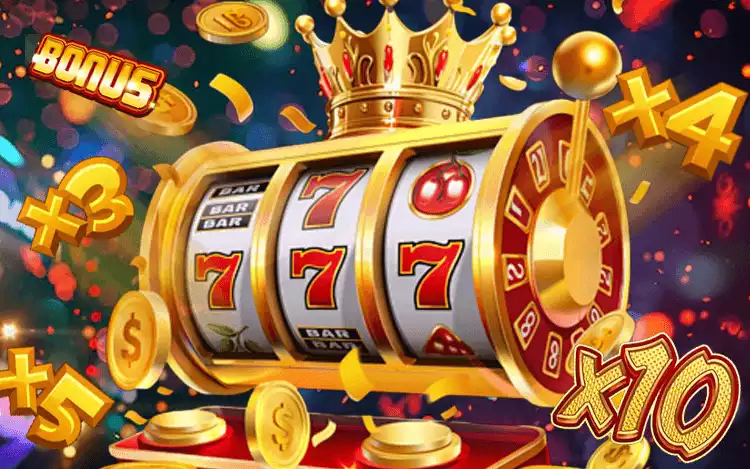
For example, a fast-paced arcade-style game such as Chicken Road 2 Online will use bold, colorful, and highly visible fonts because it has something to do with excitement and urgency. On the other hand, a horror game like Silent Hill uses distorted, rough, or uneven typography to create impressions of tension and unease before the player even starts playing.
Fonts Create Different Emotional Reactions
As players, we might not consciously know it, but different fonts trigger different emotional responses within us. This is because people naturally associate visual styles with certain ideas and feelings. For example, sharp and jagged fonts often create feelings of tension, danger, or fear. That’s why they are commonly used in horror games. Their uneven appearance can make players feel uneasy before anything frightening even happens.
On the other hand, rounded fonts tend to feel friendly, welcoming, and approachable. That is why you would often find these fonts in family-friendly games, mobile games, and games aimed at younger audiences, because they create a sense of comfort and fun.
Fonts Enhance Player Immersion
One of the main goals of video game design is immersion. Developers want players to feel fully absorbed in the game world. And so, every design choice contributes to that feeling, and typography is no exception.
Of course, the realistic graphics, sound effects, and engaging storytelling contribute to the immersive feeling that the game creates. But fonts have a way of enhancing it. In fact, if the developer doesn’t get it right with the type of fonts they use, it may betray the efforts they’ve put into the visuals, sounds, and storyline of the game.
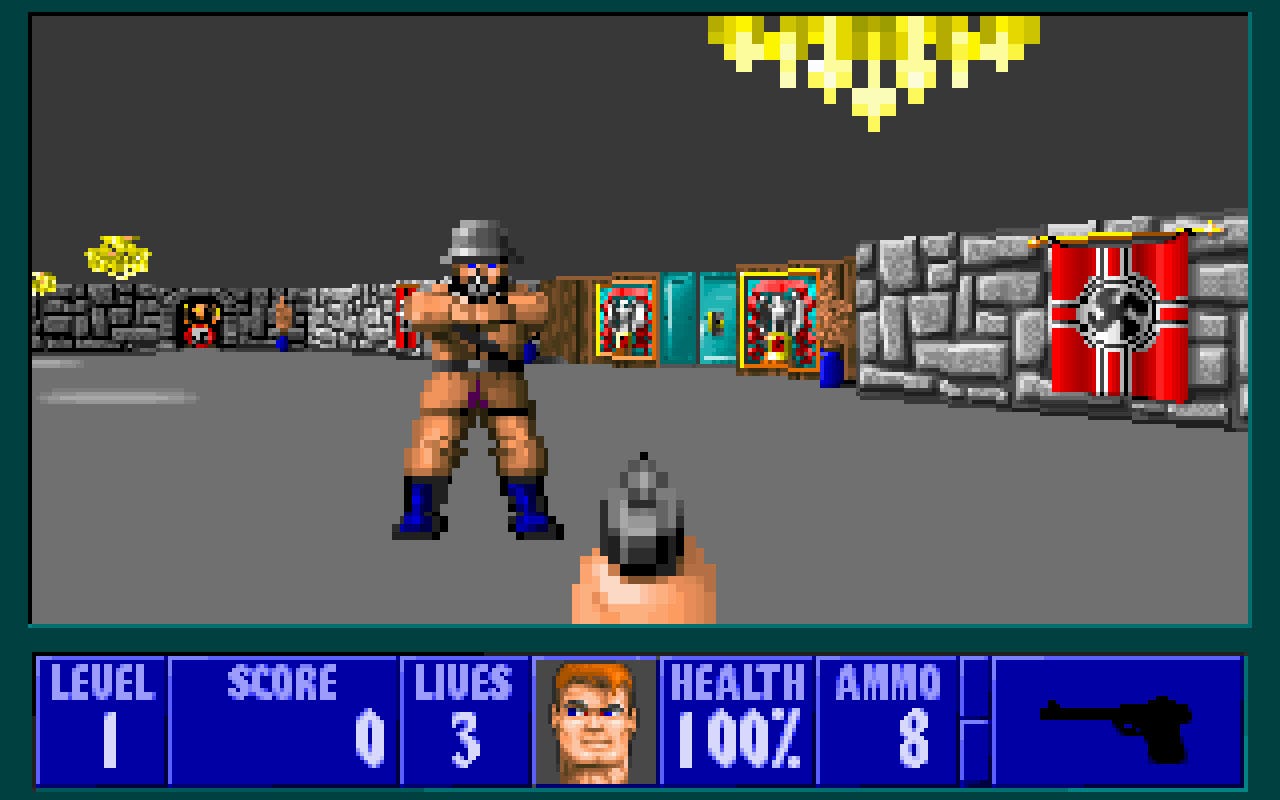
Therefore, the fonts used throughout a game can either strengthen that illusion of being in another world or unintentionally remind players that they’re simply interacting with a piece of software. The game’s interface contains a lot of text. And players constantly encounter menus, dialogue boxes, quest descriptions, inventory screens, maps, and tutorials. If the typography feels disconnected from the game’s setting, these elements can stand out in a way that breaks immersion.
Fonts Improve Communication and Usability
Fonts also serve the very practical purpose of facilitating communication between the game and the player. Simply put, fonts are used in such a way that they’re easily readable. So when you come in contact with the in-game dialogue, mission objectives, inventory descriptions, tutorials, maps, notifications, and menu options, you can read them easily. If the font is difficult to read, you may struggle to find important information or become frustrated during gameplay.
This is especially important in fast-paced games that require you to process information quickly. So when the fonts are clear and readable, they help you understand instructions, react to warnings quickly, and navigate menus without unnecessary confusion. In other words, fonts don’t just make games look better. They help games function better by making communication more efficient.
Conclusion
Most players rarely stop to think about the fonts used in their favorite games, but typography influences the gaming experience in more ways than many realize. It helps establish a game’s identity and creates strong first impressions. It also shapes and contributes to the emotions that the game conveys, enhances immersion and plays a functional role in improving communication.