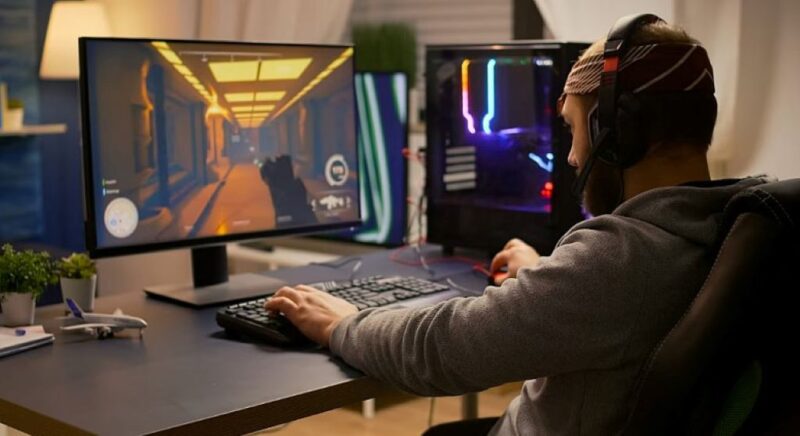
Typography became part of digital identity gradually, but gaming culture accelerated the process dramatically. Usernames, profile bios, livestream overlays, and gaming chats no longer function only as communication tools. They also signal personality, mood, humour, competitiveness, and social belonging. A profile written in minimalist lowercase formatting creates a completely different impression from one using gothic Unicode symbols or decorative spacing patterns.
This shift became especially visible once mobile-first entertainment ecosystems expanded across Instagram, Discord, YouTube, Telegram, and multiplayer gaming platforms. Users began competing not only through gameplay or content quality, but also through visual recognizability inside crowded digital environments where attention moves quickly.
Why Typography Became Important Inside Gaming Culture
Gaming environments naturally reward fast visual recognition because users often interact through usernames rather than face-to-face communication. During livestream chats, esports tournaments, fantasy-cricket discussions, or multiplayer sessions, text styling becomes one of the fastest ways to establish individuality.
A user spending time inside a desi game app ecosystem quickly notices how profile presentation affects visibility across leaderboards, social feeds, and chat systems connected to live entertainment activity. Platforms built around fast interaction and repeated engagement encourage users to personalize usernames and bios because recognizable typography helps profiles stand out among hundreds of similar accounts. Over time, audiences often remember the visual rhythm of a name before they remember the exact wording itself.
This psychological effect matters more than many users realize. Visual familiarity increases recognition speed, especially on platforms where people scroll quickly through large amounts of content.
Why Unicode Fonts Became So Common
Most stylish-text generators rely on Unicode substitutions rather than traditional downloadable font systems. That distinction explains why these text styles work almost everywhere — Instagram bios, YouTube comments, Discord usernames, Twitch descriptions, and gaming chats all support Unicode formatting without requiring software installation.
Popular styles usually include:
- gothic Unicode lettering;
- bubble-style text;
- small caps formatting;
- monospace aesthetic text;
- spaced-out usernames.
The popularity of these formats also reflects a broader behavioural shift. Users increasingly prefer lightweight personalization methods that require minimal effort while still producing immediate visual differentiation. A slightly stylized username often feels more memorable than a completely standard text format, even when the actual wording remains identical.
How Mobile Platforms Changed Text Behaviour
Smartphones changed how people process visual information online. Earlier internet forums emphasized long-form communication where typography mattered relatively little compared with discussion depth. Current mobile ecosystems operate differently because users scan information rapidly while switching continuously between apps, streams, chats, and notifications.
Under these conditions, typography behaves almost like micro-branding. Consistent text styling across usernames, captions, livestream overlays, and social profiles helps creators establish recognizable identity patterns even during very short interactions.
This is one reason many gaming influencers and esports-focused creators maintain similar formatting across multiple platforms rather than changing styles constantly. Consistency improves recognition psychologically because audiences begin associating a specific visual rhythm with a particular creator or community.
Why Gaming Communities Respond Strongly to Visual Identity
Gaming culture depends heavily on community recognition. Players build reputations through repeated interaction, shared jokes, tournament participation, collaborative sessions, or recurring chat activity. Visual presentation therefore becomes part of the social experience itself rather than simple decoration.
Why Emotional Tone Matters in Typography
Different typography styles create different emotional impressions. Minimalist lowercase formatting may feel ironic or relaxed, while sharp gothic lettering creates a more dramatic or competitive atmosphere. Decorative spacing patterns often signal meme culture or playful community identity.
Gaming communities use these emotional signals constantly, even subconsciously. A fantasy-cricket discussion group usually develops a different visual tone from an esports Discord server or a casual mobile-gaming meme page.
This emotional consistency helps communities feel socially coherent because typography subtly reinforces group atmosphere.
How Stylish Text Became Part of Online Self-Expression
Digital identity increasingly depends on compressed communication. Profile pictures, usernames, bios, emojis, typography, and short captions now work together as fast social signals interpreted within seconds.
Stylish-text tools became popular because they allow users to personalize identity without requiring advanced design skills. A customized username or profile line immediately changes how an account feels visually, even when the underlying content remains unchanged.
That simplicity explains why typography-based personalization continues spreading across gaming and entertainment ecosystems despite the availability of far more technically sophisticated customization tools.
Conclusion
Gaming communities helped transform typography from a purely functional element into a recognizable form of digital self-expression. Stylish text now influences how users present identity, build recognition, and interact socially across mobile entertainment ecosystems.
As online spaces become increasingly crowded and attention spans continue shrinking, visual differentiation matters more than ever. Typography remains one of the fastest and simplest ways for users to create memorable digital presence without relying entirely on images or long-form content.